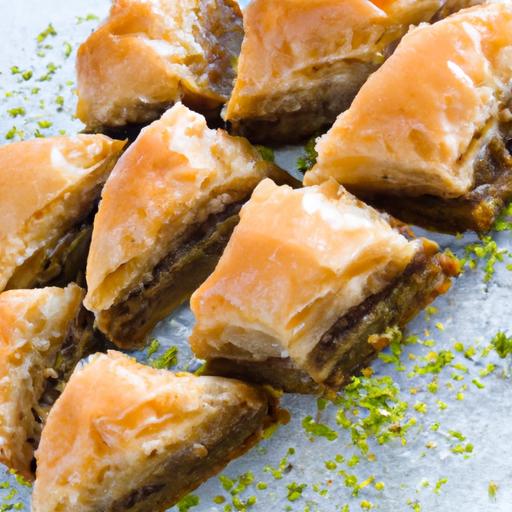


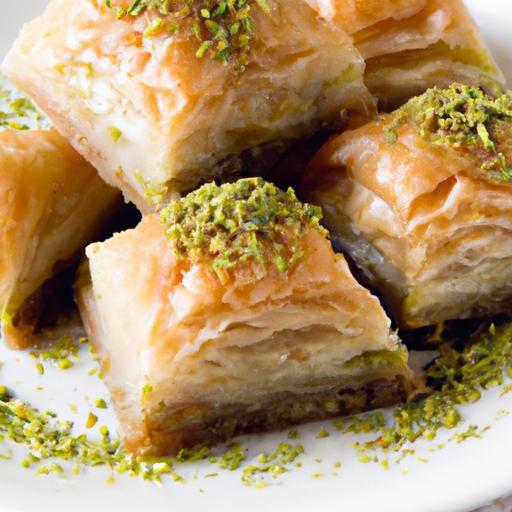
There is a certain magic in the layers of a perfectly crafted baklava-a timeless delight that has transcended centuries and borders, enchanting taste buds with its crisp, honey-soaked pastry and fragrant symphony of nuts and spices. This beloved dessert,steeped in history and tradition,embodies the art of patience and precision,where each delicate sheet of filo is brushed with butter and nestled lovingly to create a masterpiece of texture and flavor.In this article, we embark on a culinary journey to unravel the secrets behind making the perfect conventional baklava, honoring its rich heritage while guiding you step-by-step to recreate this luscious treat in your own kitchen. Prepare to awaken your senses and discover why baklava remains a cherished symbol of warmth, festivity, and sweet indulgence across generations.
Timeless Delight: Crafting the Perfect Traditional Baklava
Timeless Delight: Crafting the Perfect Traditional Baklava begins with an intimate connection to its roots-rich layers of flaky pastry, fragrant nuts, and luscious honey syrup that dance together in harmony. Originating from a blend of middle Eastern and Mediterranean cultures, this dessert has transcended generations, becoming a beloved symbol of festive gatherings and celebratory moments. Its beauty lies not only in taste but also in the craftsmanship behind every step, from selecting authentic ingredients to mastering delicate layering techniques that yield that perfect golden, crispy finish.
Prep and Cook Time
- Preparation: 45 minutes
- Cooking: 50 minutes
- Cooling and Soaking: 4 hours (best overnight)
Yield
Serves 12-16 pieces
Difficulty Level
Medium – requires patience and attention to detail but results in a stunning dessert
Ingredients
- 1 lb (approximately 16 oz) of phyllo dough, thawed but kept covered with a damp cloth
- 2 cups assorted nuts (preferably walnuts, pistachios, and almonds), finely chopped
- 1 tsp ground cinnamon
- 1/4 tsp ground cloves (optional for an aromatic hint)
- 1 cup unsalted butter, melted and slightly cooled
- 1 cup granulated sugar
- 1 cup water
- 1/2 cup honey (preferably wildflower or orange blossom honey for authentic flavor)
- 1 tbsp fresh lemon juice
- 1 tsp pure vanilla extract
Instructions
- Prepare the nut mixture: In a bowl, combine the finely chopped nuts, ground cinnamon, and ground cloves. Stir until well incorporated. The classic nut mixture balances sweetness and spice, ensuring every bite bursts with warm, aromatic flavors.
- Preheat your oven: Set it to 350°F (175°C) so the layers bake evenly and crisp to a delicate golden shimmer.
- Layer the phyllo dough: Lightly brush a 9×13 inch baking dish with melted butter. Lay one sheet of phyllo dough, gently brushing melted butter over the entire sheet. Repeat this process for 10 sheets, taking care to keep unused phyllo covered with a damp cloth to prevent drying.
- Sprinkle nuts evenly: spread a thin, even layer of the nut mixture over the layered phyllo. This step balances the sweet crunch with spice and texture.
- add more phyllo layers: Place 5 more sheets over the nuts,each brushed generously with butter. Repeat the nut layering, then finish with a final 10 sheets of buttered phyllo on top. This layering technique is crucial for achieving that iconic crispy, flaky texture.
- Score the baklava: Using a sharp knife, cut the entire assembled baklava into diamond or square shapes, cutting all the way through the layers to the bottom of the pan. This not only helps even baking but also allows the syrup to seep deeply later.
- Bake: place in the oven for 45-50 minutes or until the top is deeply golden and crisp.
- Prepare the honey syrup: While baking, combine sugar, water, honey, lemon juice, and vanilla extract in a saucepan.Bring to a gentle boil and simmer for about 10 minutes, allowing it to thicken slightly and intensify in flavor.
- Syrup soak: Once the baklava is out of the oven, instantly pour the warm honey syrup evenly over the hot pastry. The timing here is key-this soak ensures each layer absorbs the syrup while maintaining that crispness.
- Cool and rest: Allow the baklava to cool wholly at room temperature,ideally for at least 4 hours or overnight,to fully marry the flavors and develop its rich texture.
Chef’s Notes
- For best results, use fresh, high-quality nuts-roasting them lightly before chopping enhances their oils and amplifies richness.
- Be gentle and patient with the phyllo sheets; they are delicate and tear easily,so always work quickly but carefully,keeping them covered to prevent drying out.
- Butter matters: Unsalted, high-quality European-style butter adds creaminess and depth. Some baklava aficionados prefer clarified butter (ghee) for an even crisper finish.
- Honey syrup variations: Adding a cinnamon stick or a few thin strips of lemon zest while simmering the syrup can infuse subtle warmth and brightness.
- Make ahead tip: Baklava can be baked a day in advance, then soaked with syrup and served up to 2 days later for optimum flavor melding.
Serving Suggestions
Present sliced baklava on a stunning serving platter dusted lightly with crushed pistachios or a sprinkle of edible rose petals for a striking visual contrast. Accompany with strong black tea or a cup of Turkish coffee to complement the rich sweetness. For an extra festive touch, a dollop of lightly whipped cream or a scoop of cardamom-infused vanilla ice cream creates an elegant balance.

| Nutrient | Per Serving (1 piece) |
|---|---|
| Calories | 210 kcal |
| Protein | 4 g |
| Carbohydrates | 25 g |
| Fat | 11 g |
For related inspiration on Middle Eastern desserts, check out our Traditional Mediterranean Desserts collection.
Discover the rich history of baklava and its cultural meaning at Encyclopaedia Britannica.
Q&A
Q&A: Timeless Delight – Crafting the Perfect Traditional Baklava
Q1: What is baklava, and why is it considered a timeless dessert?
A: Baklava is a rich, sweet pastry made of layers of flaky filo dough, filled with finely chopped nuts, and soaked in fragrant syrup or honey. Its roots trace back centuries across the Middle East and Mediterranean, making it a beloved symbol of culinary tradition and celebration. The combination of textures and flavors has made baklava a dessert that transcends time and geography.
Q2: Which nuts are traditionally used in making baklava?
A: Traditionally, a blend of walnuts, pistachios, and sometimes almonds are used to create the nut filling. Each nut adds its own distinctive flavor and texture, making the filling complex and delicious. Pistachios offer a vibrant colour and buttery taste, walnuts provide earthiness and crunch, while almonds contribute subtle sweetness.
Q3: How critically important is the filo dough in achieving authentic baklava?
A: Filo dough is absolutely essential. its delicate, paper-thin layers create the signature crisp and flaky texture of baklava. The skillful layering and brushing of each sheet with butter or clarified butter help build the pastry’s intricate and light structure, contrasting beautifully with the dense nut filling.Q4: What is the secret to a perfectly balanced syrup for baklava?
A: The syrup should be sweet, aromatic, and slightly citrusy to complement the nuts without overwhelming them. A classic syrup ofen includes sugar, water, honey, and a touch of lemon juice or orange blossom water. The acidity cuts through the sweetness and adds depth, making each bite crave-worthy.
Q5: Can baklava be prepared ahead of time, and how should it be stored?
A: absolutely! In fact, baklava often tastes better the next day after the syrup has fully soaked through the layers. Once cooled and soaked, store it in an airtight container at room temperature. It can stay fresh for up to a week, making it perfect for festive gatherings or gifting.
Q6: Are there any common mistakes to avoid when making baklava at home?
A: Yes, a few pitfalls can affect the final product: using thick or stale filo dough can make the baklava heavy rather than delicate; under-buttering the layers may cause dryness; and pouring warm syrup onto hot baklava (or vice versa) can cause sogginess or uneven absorption. Patience and attention to detail are key for that perfect crispness and syrup-infused sweetness.
Q7: What occasions are traditionally associated with serving baklava?
A: Baklava is often enjoyed during special celebrations such as religious festivals,weddings,and family gatherings across many cultures. Its rich, indulgent nature makes it an ideal dessert to mark joyous moments and share with loved ones.
Q8: How can baklava be adapted for different dietary preferences without losing its essence?
A: For those seeking a lighter option, reducing the sugar syrup slightly or substituting part of the butter with coconut oil can offer a new twist.Additionally, baklava can be made gluten-free by using specially crafted gluten-free filo sheets, ensuring the flaky texture and signature layers remain intact.
Q9: What tips can you offer for slicing and serving baklava?
A: Use a sharp knife dipped in hot water for clean cuts through the layers without crushing the pastry. Traditionally, baklava is cut into small diamond or square shapes, making it easy to serve as bite-sized pieces at gatherings. Pair it with a cup of strong coffee or tea to balance the sweetness.
Q10: Why does baklava continue to hold a special place in kitchens around the world?
A: Its enduring appeal lies in the harmony of simple ingredients transformed through skill and tradition into something exceptional. Baklava tells a story of shared heritage, artistry, and joy with every crispy, sweet morsel-truly a timeless delight.
To Conclude
As the golden layers of flaky pastry,fragrant nuts,and shimmering honey come together in perfect harmony,traditional baklava emerges not merely as a dessert but as a celebration of history,culture,and craftsmanship. Crafting this timeless delight is more than following a recipe-it’s an art that connects generations and invites us to savor moments of joy and tradition.Whether you’re a seasoned baker or a curious novice, embracing the delicate balance of flavors and textures in baklava promises not only a sweet reward but also a delicious link to the past. So, roll out your phyllo, drizzle your syrup, and let the magic of baklava turn your kitchen into a place where time-honored flavors come alive-one crisp, honey-kissed bite at a time.