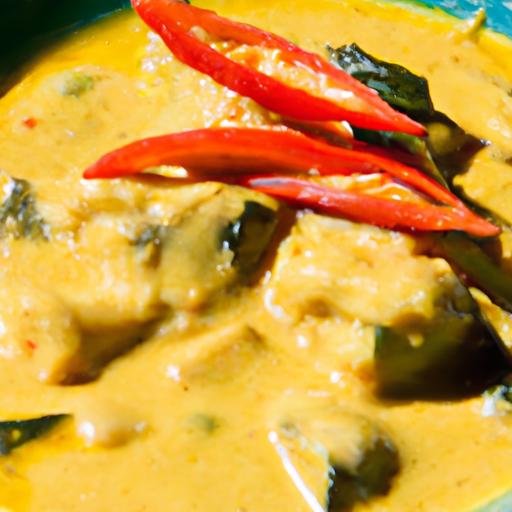


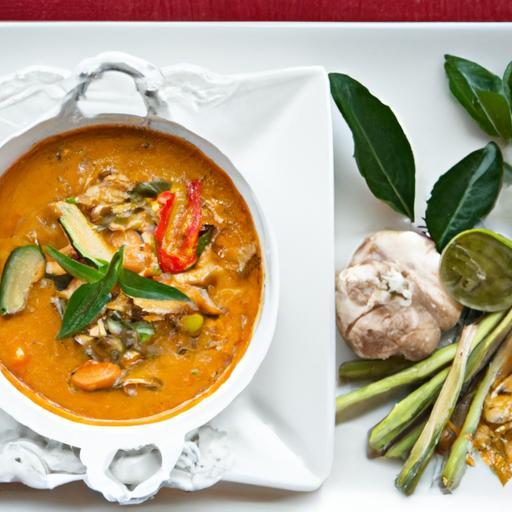
There’s a vibrant magic hidden in every spoonful of Thai yellow curry-a symphony of spices that transports you straight to bustling street markets and sun-drenched temples. But behind that rich, golden hue lies an artful blend of ingredients crafted with care and tradition. Unlocking the secret to authentic thai yellow curry paste isn’t just about following a recipe; it’s about embracing the layers of flavour, texture, and culture that make this dish truly unforgettable. in this article, we’ll guide you step-by-step through creating your own radiant, aromatic curry paste from scratch-so you can bring the bold, comforting taste of Thailand right into your kitchen.
Unlock Flavor: How to Make Authentic Thai yellow Curry Paste begins with selecting superior ingredients, each chosen to deliver the bold vibrancy and warmth that defines this beloved Thai staple.The journey to a richly nuanced paste starts with spices that are aromatic and fresh, whole rather than pre-ground, ensuring a fragrance that awakens your senses and transports you straight to the bustling streets of Bangkok.
Choosing the Perfect Ingredients for Vibrant Thai Yellow Curry Paste
Quality is paramount when crafting a curry paste that sings with authenticity. Start with dried turmeric root for that signature golden hue, complemented by earthy coriander seeds and cumin seeds that bring depth. Fresh galangal and lemongrass provide bright citrus undertones, while garlic and shallots add a subtle sweetness.Don’t forget the gentle heat from dried red chilies-balanced just right to warm your palate without overpowering it.
Choosing whole spices instead of pre-ground is essential. The oils within the seeds and roots unleash a fresh, potent aroma when toasted, setting the foundation for a curry paste that bursts with flavor.
Mastering the Art of Toasting and Grinding Spices for Deep Flavor
To truly unlock the essence locked inside your spices, toasting is a non-negotiable step. Use a dry skillet over medium heat and gently toast seeds like coriander and cumin until they just begin to pop and emit an inviting fragrance. This enhances their natural oils and intensifies their flavor.
Once toasted and cooled,grinding spices to a fine powder-either with a mortar and pestle or a spice grinder-ensures a smooth,homogenous paste.The ritual of grinding not onyl releases the oil but connects you intimately to the craft,transforming simple ingredients into a sensory masterpiece.
Balancing Aromatics and Heat to Capture Authentic Thai Essence
The hallmark of an excellent Thai yellow curry paste is its harmony of flavors-earthy,spicy,and slightly sweet. The crisp zest of fresh lemongrass and galangal contrasts beautifully with the mellow warmth of turmeric and cumin. Adjust the quantity of dried red chilies according to your heat preference, but keep the balance so heat never drowns out the aromatics.
The combination of garlic, shallots, and a hint of kaffir lime zest can elevate your paste to the next level, infusing every spoonful with layers of fragrance and taste that capture the heart of Thai cooking.
Tips for Storing and Enhancing Your Homemade Curry Paste
Once your vibrant Thai yellow curry paste is crafted, proper storage is key to preserving its fresh, pungent flavor. Transfer the paste into an airtight glass jar, pressing it down to remove air pockets. A thin layer of neutral oil on top acts as a protective seal, extending its shelf life in the refrigerator up to two weeks.
For longer storage, portion the paste into ice cube trays and freeze. This allows you to unlock flavor effortlessly whenever you crave authentic Thai dishes.
Want to elevate your paste beyond the basics? A splash of coconut milk or kaffir lime juice just before using can add lushness and brightness,perfect for curries,soups,or even marinades.
Prep and Cook Time
- Readiness: 20 minutes
- Cooking/Toasting: 10 minutes
- Total Time: 30 minutes
Yield
Makes approximately 1 cup of curry paste, enough for 4-6 servings of curry.
Difficulty Level
Medium - Requires some hands-on spice toast and grind technique but very rewarding.
Ingredients
- 1 tbsp coriander seeds
- 1 tbsp cumin seeds
- 1 tbsp dried turmeric powder (or 1 tsp dried turmeric root, ground)
- 2 tbsp dried red chilies, seeded
- 3 shallots, peeled and roughly chopped
- 4 garlic cloves, peeled
- 1 stalk lemongrass, white part only, finely chopped
- 1-inch piece galangal, peeled and sliced
- 1 tsp salt
- 1 tsp ground white pepper
- 1 tsp shrimp paste (use fermented soybean paste for vegetarian option)
- 2 tbsp vegetable oil (for blending)
- Zest of 1 kaffir lime (optional but recommended)
Instructions
- Toast the coriander and cumin seeds in a dry skillet over medium heat, stirring frequently. Remove when fragrant and lightly browned, about 3-5 minutes.Let cool.
- Soak the dried red chilies in warm water for 10 minutes to soften, then drain.
- using a mortar and pestle or spice grinder, grind toasted seeds into a fine powder.
- In the mortar or blender, combine the ground seeds, softened chilies, turmeric, garlic, shallots, lemongrass, galangal, salt, pepper, shrimp paste, and kaffir lime zest. Grind or blend until a smooth paste forms, adding vegetable oil gradually to help emulsify and achieve a silky texture.
- Taste and adjust seasoning-add more salt or chilies if needed to suit your heat tolerance and flavor preference.
- Transfer the paste to a sterilized jar, press it down, and pour a thin layer of oil on top to seal.
Chef’s Notes
- Substitute shrimp paste with fermented soybean paste to make a vegetarian-friendly curry paste without compromising umami richness.
- For a smokier edge, lightly char the dried chilies over an open flame before soaking.
- If you don’t have a mortar and pestle, a high-powered blender works well-just pulse slowly to retain texture.
- Make ahead and freeze in small portions to enjoy authentic curry paste anytime without fresh prep.
- Fresh turmeric root can be a wonderful choice to dried powder, adding a brighter flavor and intense colour.
serving Suggestions
Use this vibrant curry paste as the base for a luscious coconut curry with chicken, tofu, or vegetables. garnish your dish with fresh Thai basil, finely sliced kaffir lime leaves, and a sprinkle of toasted coconut flakes for an added textural contrast. Serve alongside steamed jasmine rice or aromatic coconut rice to soak up every drop of that golden, fragrant sauce.

| Nutrient | Per 1 Tbsp |
|---|---|
| Calories | 45 kcal |
| Protein | 1 g |
| Carbohydrates | 6 g |
| Fat | 2 g |
For more inspiration on mastering Thai cuisine, explore our guide on How to Make Thai Green Curry Paste. For an authoritative dive into Thai culinary traditions, visit the Tourism Authority of Thailand.
Q&A
Q&A: Unlock Flavor – How to Make Authentic Thai Yellow Curry Paste
Q1: What makes Thai yellow curry paste distinct from other Thai curry pastes?
A1: Thai yellow curry paste stands out with its warm,mellow profile,blending earthy spices like turmeric and cumin with a whisper of sweetness and gentle heat. Unlike the fiery red or intensely herbal green curries, yellow curry is comfort in a paste-golden, aromatic, and wonderfully balanced.
Q2: What are the essential ingredients for authentic Thai yellow curry paste?
A2: The heart of authentic yellow curry paste beats with dried chilies, fresh turmeric (or its powdered cousin), coriander seeds, cumin, garlic, shallots, lemongrass, galangal, and kaffir lime zest. these ingredients combine to create that signature sunny hue and layered flavor that defines yellow curry.
Q3: Can I substitute fresh turmeric with turmeric powder?
A3: Absolutely! While fresh turmeric offers a vibrant, earthy brightness and a hint of ginger-like zing, high-quality turmeric powder is a perfectly viable substitute. Just be mindful of the quantity, as powder can be more concentrated-start with less and adjust to taste.
Q4: How do I prepare the spices to maximize the flavor?
A4: Toasting whole spices like coriander seeds, cumin, and dried chilies in a dry pan until fragrant releases their essential oils, intensifying the flavor. Then, grinding them fresh with other ingredients ensures a fragrant, vibrant paste bursting with complexity.
Q5: What’s the customary method for making the curry paste? Can I use a blender?
A5: Traditionally, Thai cooks pound each ingredient by hand with a mortar and pestle, layering flavors gradually and achieving a perfect texture. However, a high-powered blender or spice grinder can do the job at home-just be sure to add ingredients slowly and scrape the sides frequently to get a smooth, unified paste.
Q6: How long can homemade yellow curry paste be stored?
A6: Stored in an airtight container,homemade yellow curry paste can last up to two weeks in the refrigerator. For longer storage, freeze it in small portions using ice cube trays; this preserves the freshness and lets you thaw just the amount you need to unlock flavor on demand.
Q7: Is yellow curry paste always spicy?
A7: While it contains dried chilies, yellow curry paste tends to be milder than its red or green counterparts. The warmth of turmeric and aromatic spices softly balances the chili heat, making it accessible to those who prefer a gentle kick instead of a fiery punch.
Q8: What dishes pair best with homemade yellow curry paste?
A8: Yellow curry paste shines in dishes featuring hearty vegetables, aromatic coconut milk, and tender proteins like chicken, tofu, or seafood. It also elevates simple rice and noodle dishes, infusing them with its signature golden glow and nuanced warmth.
Q9: Can I make yellow curry paste vegan and vegetarian-friendly?
A9: Definately! The paste itself is plant-based, made from herbs and spices. When cooking with it, simply pair with vegetable broth or coconut milk and your preferred plant proteins or fresh vegetables to create vibrant vegan or vegetarian curries bursting with authentic flavor.Q10: What is the secret tip for unlocking maximum flavor in yellow curry?
A10: Patience is the secret. Let your curry simmer gently,allowing the spices from your homemade paste to bloom fully in creamy coconut milk. A squeeze of fresh lime and a sprinkle of fresh herbs just before serving will brighten those deep, warm notes, delivering a truly authentic Thai experience.
the Conclusion
As you embark on your culinary journey with homemade Thai yellow curry paste, remember that each step is a small party of tradition, culture, and bold flavors coming together. By crafting your own paste, you’re not just seasoning a dish-you’re unlocking a world of vibrant aromas and tastes that transform everyday meals into unforgettable experiences. So gather your ingredients, embrace the rhythm of the mortar and pestle, and let this golden paste be your passport to authentic Thai cooking. As sometimes, the true magic isn’t just in the final dish, but in the hands-on craft that brings it to life. Happy cooking!