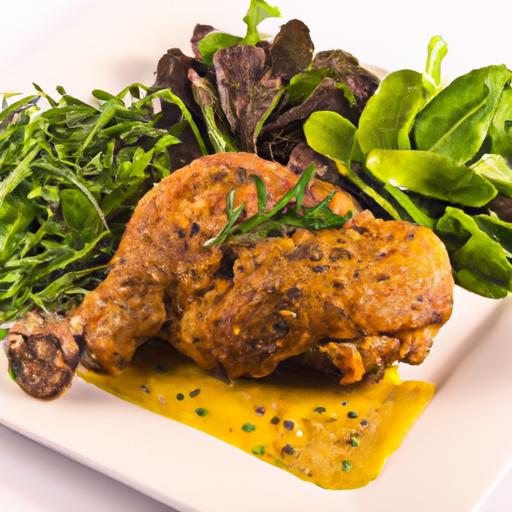


There’s a secret language behind every perfectly roasted chicken adn juicy grilled turkey-a symphony of spices and herbs that transforms ordinary poultry into a mouthwatering masterpiece. Welcome to the world of poultry seasoning rubs, where flavor unlocks its full potential through the artful blend of aromatic ingredients. Whether you’re an aspiring home cook or a seasoned grill master, mastering the craft of seasoning rubs is your gateway to elevating every bite with depth, character, and irresistible zest. In this article, we’ll unravel the science and creativity behind poultry rubs, guiding you step-by-step to unlock flavors that sing and textures that delight. Prepare to awaken your senses and revolutionize your poultry cooking forever.
Unlock Flavor with a masterful approach to poultry seasoning rubs by diving deep into the essential herbs and spices that transform ordinary poultry into an extraordinary feast. The magic lies in the perfect balance between fragrant earthy notes and bright, vibrant accents that awaken every bite. From traditional blends to bold modern twists, understanding these aromatic building blocks empowers you to create rubs that penetrate deeply, enhancing both aroma and taste.
Prep and Cook time
- Preparation: 15 minutes
- Resting time for rubbed poultry: 30 minutes to overnight (recommended)
- Cooking time: Varies by cut and method (approx.25-45 minutes)
Yield
Enough seasoning rub for 4 to 6 pounds of poultry (serves 4-6)
Difficulty Level
Medium – Best for home cooks looking to elevate their seasoning arsenal
Ingredients
- 2 tbsp smoked paprika – for a mild, sweet smokiness
- 1 tbsp dried thyme, crushed – adds subtle herbal depth
- 1 tbsp garlic powder – imparts savory warmth
- 1 tbsp onion powder – gives a gentle sharp touch
- 2 tsp kosher salt – essential for flavor balance and moisture retention
- 1 tsp freshly ground black pepper – adds bold, peppery heat
- 1 tsp dried oregano – brings an earthy brightness
- 1 tsp ground cumin – injects an aromatic woodsy note
- 1/2 tsp cayenne pepper – optional, for a subtle kick
Instructions
- Combine all the herbs and spices in a small bowl and whisk thoroughly untill a uniform mixture forms. This ensures an even distribution of flavors in every pinch.
- Pat the poultry dry with paper towels; moisture creates a barrier preventing flavor absorption.
- Gently loosen the skin of cuts like chicken thighs or a whole bird,sliding your fingers between skin and meat without tearing. This creates a flavorful pocket for the rub.
- Generously apply the rub both under the skin and on the outer surface, massaging it in to maximize flavor penetration. For breasts or wings, apply evenly all over the skin.
- Wrap or cover the poultry and refrigerate for at least 30 minutes up to overnight. The extended resting allows your rub to meld beautifully with the meat, enhancing depth and juiciness.
- Remove the poultry 15 minutes before cooking to reach room temperature,allowing for even cooking.
- Cook your poultry according to your preferred method-roast,grill,or pan-sear. The rub forms a tantalizing crust, locking in aromas and moisture.
- Rest the cooked poultry for 5-10 minutes before slicing, letting juices redistribute for tender, flavorful bites.
Tips for Success in Customizing Your Poultry Seasoning rub
- Understand your poultry cut: Dark meat benefits from bold, earthy herbs like rosemary and sage, while white meat shines with lighter, citrus-infused accents such as lemon zest or dried basil.
- Texture matters: For a crisp crust, add a sprinkle of brown sugar or fine cornstarch to your rub to caramelize during cooking.
- Balance salt carefully: Adjust the kosher salt depending on the poultry size and resting time. More salt overnight; less if cooking immediately.
- Fresh vs.dried herbs: Dried herbs pack more concentrated flavor-ideal for rubs-while fresh herbs can be added post-cooking for brightness.
- Experiment with citrus and heat: Incorporate dried lemon peel or smoked chili powder for unique regional rub variations.
- Make ahead: Store your custom rub in an airtight jar for up to 2 months, shaking before each use for freshness.
Serving Suggestions
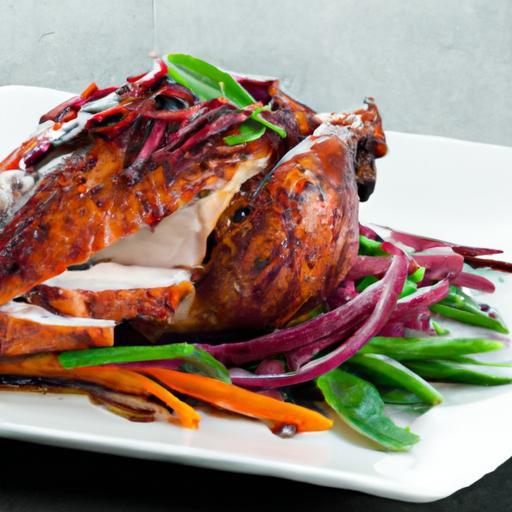
Present your perfectly seasoned poultry on a large platter garnished with fresh sprigs of thyme and a few lemon wedges to highlight the herbal and citrus notes. Serve alongside lightly roasted root vegetables or a crisp green salad to balance the richness.
A drizzle of homemade herb-infused olive oil or a citrusy chimichurri sauce complements the deep, layered flavors of your seasoning rub and adds a vibrant finishing touch.

| Nutrient | per Serving (approx.) |
|---|---|
| Calories | 150 kcal |
| Protein | 28 g |
| Carbohydrates | 1.5 g |
| Fat | 3 g |
for additional insights on seasoning techniques and poultry recipes, explore our Ultimate Poultry Cooking Guide. To delve into detailed spice profiles, visit SpicesInc.
Q&A
Q&A: Unlock Flavor: mastering the Art of Poultry Seasoning Rubs
Q1: What exactly is a poultry seasoning rub, and why is it vital?
A1: A poultry seasoning rub is a carefully crafted blend of herbs, spices, and sometimes salt and sugar, designed to enhance the natural flavors of chicken, turkey, duck, or other fowl.It’s important because it transforms a simple bird into a sensory experience, creating layers of flavor that penetrate the meat and form a flavorful crust when cooked.
Q2: How does a dry rub differ from a marinade when seasoning poultry?
A2: A dry rub is a concentrated mixture of dry ingredients applied directly to the surface of the poultry.It clings to the skin or flesh, creating bold, intense flavor without adding moisture. A marinade, on the other hand, is a liquid mixture that imparts flavor and tenderness over time. Rubs are generally quicker to apply and perfect for roasting, grilling, or smoking, producing a crispy exterior.Q3: What are the core flavor notes to consider when creating a poultry rub?
A3: Poultry rubs ofen balance savory, aromatic, and slightly sweet elements. Common flavor profiles include earthy herbs like thyme and sage, warm spices such as paprika and black pepper, and subtle sweetness from brown sugar or dried citrus zest. the goal is harmony-each note should complement the tender, juicy qualities of the bird without overpowering them.
Q4: Can I customize a poultry rub at home with pantry staples?
A4: Absolutely! Basic yet powerful mixes often start with salt, black pepper, garlic powder, and paprika. Add dried herbs like rosemary, thyme, or oregano for complexity. Experiment with a touch of cumin or coriander for earthiness, or a pinch of cinnamon or nutmeg for warmth. The beauty lies in crafting a rub that suits your personal taste and the specific poultry you’re preparing.
Q5: How far in advance should I apply a seasoning rub before cooking?
A5: For best results, apply your rub at least 30 minutes to an hour before cooking.This lets the flavors begin to meld with the meat. for deeper penetration, especially with larger birds like turkey, seasoning the night before and refrigerating uncovered can help dry out the skin for extra crispiness and richer flavor.
Q6: Is it necessary to oil the poultry before applying a dry rub?
A6: Oils aren’t required but can be helpful. Rubbing a thin layer of olive oil or melted butter on the skin helps the spices stick and encourages an even, golden crust. Plus, the fat enhances flavor and moisture retention during cooking.
Q7: Which cooking methods work best with poultry seasoning rubs?
A7: Rubs shine during roasting, grilling, smoking, and pan-searing. The heat caramelizes the spice blend, creating a flavorful bark or crust. Slow smoking allows a rub to mingle with wood smoke, producing complex layers of taste. Whether you crave crispy roast chicken or tender grilled turkey breasts, a rub is a versatile flavor tool.
Q8: How can I tell if my poultry rub is balanced or needs tweaking?
A8: Taste is your ultimate guide. If your rub feels flat, try boosting the salt or adding a citrus zest to brighten it. If it’s too sharp or fiery,incorporate some sugar or mellow herbs to soften the edge. Remember to test small batches by rubbing some on cooked meat samples until the flavor sings just right.
Q9: What are some unique ingredients that elevate a poultry rub beyond the basics?
A9: Think beyond traditional spices. Sumac offers a tangy lemony twist, smoked paprika adds depth, and dried lavender imparts floral elegance. Ground fennel seed lends a subtle anise sweet note, while chili flakes add a gentle heat without overwhelming the palate. These ingredients bring personality and surprise to your rub.
Q10: how should I store unused poultry seasoning rubs to maintain freshness?
A10: Store your rubs in airtight containers away from light, heat, and moisture. A cool, dark pantry or spice drawer keeps the blend vibrant for several months.Grinding fresh spices before mixing can elevate your rub to a whole new level-flavor fades quickly once ground, so freshness is king!
To Conclude
As you embark on your journey to unlock the full potential of poultry seasoning rubs, remember that mastery comes from both understanding and experimentation. each blend is an invitation to explore a symphony of flavors that can transform a simple bird into a memorable feast. Whether you favor bold spice or subtle herbaceous notes, crafting your own rubs allows you to tailor every meal to your unique palate. So grab your mortar and pestle, gather your favorite herbs and spices, and let your creativity soar-as the art of seasoning is not just about flavor, but about bringing your culinary vision to life with every sprinkle. Happy seasoning!