

in the vibrant tapestry of Korean cuisine, few dishes capture the essence of harmony quite like bibimbap. At its heart lies a captivating secret: the sauce. This unassuming condiment is more than just a dressing-itS the alchemical thread that weaves together fresh vegetables, tender rice, and savory proteins into a symphony of flavor. Unlocking the art of Korean bibimbap sauce magic reveals a world where balance, spice, and umami converge, transforming simple ingredients into an unforgettable culinary experience. join us as we delve into the rich traditions, key components, and expert techniques that elevate bibimbap from a humble meal to a masterpiece of taste.
Exploring the Essential Ingredients That Define Bibimbap Sauce
Unlocking Flavor: The Art of Korean Bibimbap Sauce Magic begins with understanding the core components that create its iconic balance of sweet heat and umami. This sauce is not just a condiment-it’s the heart of bibimbap, bringing vibrant life to every bite. The foundational base is gochujang, a fermented red chili paste that delivers a punch of spicy depth and rich umami complexity.Paired with sesame oil, it adds a nutty warmth that rounds out the sauce’s personality, while rice vinegar injects a subtle tang that brightens the profile beautifully. To soften the heat and add dimension, a touch of honey or brown sugar is essential, creating a perfectly balanced sweet contrast. a splash of soy sauce elevates the savoriness, ensuring every spoonful is wonderfully layered in flavor.
Prep and Cook Time
- Preparation: 10 minutes
- Cooking: 5 minutes
- Total Time: 15 minutes
Yield
Approximately 1 cup of bibimbap sauce, enough for 4 servings
Difficulty Level
Easy – Perfect for both beginners and seasoned home cooks looking to master Korean flavors
Ingredients
- 3 tablespoons gochujang (Korean red chili paste)
- 2 teaspoons toasted sesame oil
- 1 tablespoon soy sauce (low sodium preferred)
- 1 tablespoon rice vinegar
- 1 tablespoon honey or light brown sugar
- 1 teaspoon grated fresh garlic
- 1 teaspoon toasted sesame seeds (for garnish)
- Optional: 1 teaspoon Korean plum extract (meotgaru) or a pinch of ground black pepper
Instructions
- Combine the flavor bases: In a medium bowl, whisk together gochujang, honey (or brown sugar), soy sauce, and rice vinegar until smooth and fully integrated.
- Add aromatics: Stir in the grated garlic carefully, ensuring it blends into the sauce evenly for a fresh, vibrant punch.
- Finish with oil: Slowly drizzle the toasted sesame oil while whisking continuously to create a luscious, silky texture that clings perfectly to rice and veggies.
- Adjust texture and flavor: If the sauce feels too thick, thin it out with a teaspoon of warm water at a time, keeping attention to your desired consistency-creamy and rich, yet pourable.
- Rest and meld: Let the sauce sit for at least 10 minutes at room temperature; this allows the flavors to marry into a harmonious balance.
- Garnish: Sprinkle toasted sesame seeds on top just before serving for a delightful crunch and added depth of aroma.
Tips for Success: Customize Your Bibimbap Sauce for Every Palate
- Heat level: Adjust the spiciness by adding more gochujang for a robust kick or mellow it with an extra drizzle of honey or a splash of soy milk to soften the heat.
- Flavor twists: For a citrusy note, a few drops of fresh yuzu juice or lemon zest can brighten the sauce beautifully without overpowering.
- Make-ahead: This sauce tastes even better when prepared a day ahead and refrigerated in an airtight container. Bring it to room temperature and whisk before serving.
- Texture tips: To enhance the mouthfeel, gently fold in crushed roasted peanuts or walnuts for a subtle crunch that elevates the sensory experience.
- Diet-friendly substitutions: Use tamari or coconut aminos in place of soy sauce for gluten-free or low-sodium variations without losing umami depth.
Serving Suggestions
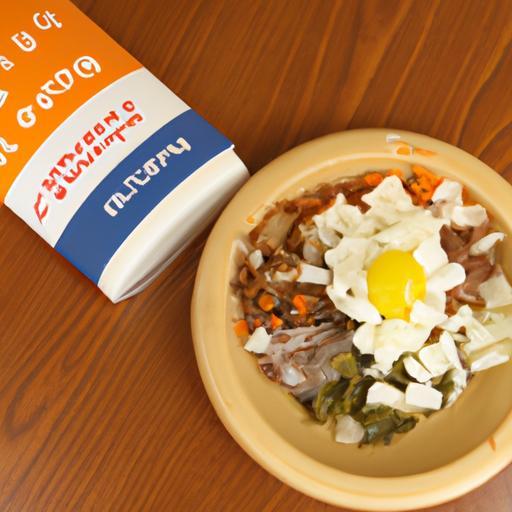
Drizzle this perfectly balanced bibimbap sauce over steaming bowls filled with white or brown rice, sautéed spinach, crunchy carrots, shiitake mushrooms, and sunny-side-up eggs. Garnish generously with toasted sesame seeds and thinly sliced green onions. For an added touch,serve alongside a small dish of authentic Korean gochujang, so diners can add extra spice to taste. This sauce also doubles as a dipping sauce for grilled tofu or korean-style crispy vegetables, making it wonderfully versatile.
| Nutrient | Per 2 Tbsp Serving |
|---|---|
| Calories | 50 kcal |
| Protein | 1 g |
| Carbohydrates | 12 g |
| Fat | 1.5 g |

For further inspiration and mastering Korean flavors, explore our detailed guide on Korean Fermented Pastes and Thier Culinary Uses. Embrace the magic of unlocking flavor and transform your bibimbap into an unforgettable masterpiece.
Q&A
Q&A: Unlocking Flavor – The Art of Korean Bibimbap Sauce magic
Q1: What makes bibimbap sauce so essential to the dish?
A1: Bibimbap sauce, typically a harmonious blend of gochujang (Korean chili paste), sesame oil, garlic, and a touch of sweetness, is the soul of bibimbap. It transforms a vibrant bowl of rice and vegetables into a symphony of flavors-spicy, savory, slightly sweet, and deeply satisfying. Without the sauce, bibimbap would be nutritious but flat; the sauce elevates every bite with layers of complexity.
Q2: Can you explain the role of gochujang in bibimbap sauce?
A2: Gochujang is more than just a spicy paste; it carries fermented depth and umami that define Korean flavor profiles. In bibimbap sauce, gochujang brings a fiery warmth balanced by natural sweetness and fermented tang. Its thick, sticky texture helps the sauce cling beautifully to the rice and toppings, ensuring each mouthful bursts with bold character.
Q3: How can someone customize bibimbap sauce to their taste?
A3: The magic of bibimbap sauce lies in its adaptability. if you prefer milder heat, reduce the gochujang and add a splash of soy sauce or a drizzle of honey for extra balance. For a nuttier touch,increase the toasted sesame oil or sprinkle in some sesame seeds. Adding freshly grated ginger or a hint of rice vinegar can introduce subtle brightness. The key is tasting and adjusting until the sauce sings to your palate.
Q4: What are common fresh ingredients used to enhance bibimbap sauce’s flavor?
A4: Fresh garlic is a classic addition, lending pungency and depth. Scallions or green onions add a crisp herbal note, while a little grated pear or apple can introduce natural sweetness and fruity complexity. Some cooks also incorporate a splash of toasted sesame seeds or ground toasted nuts for warmth and texture.
Q5: Is it possible to make a quick bibimbap sauce from pantry staples?
A5: Absolutely! Even with a simple lineup-gochujang, soy sauce, sesame oil, garlic powder, and a pinch of sugar or honey-you can whip up a tasty bibimbap sauce in minutes. This quick mix captures the essential layers of heat, umami, and sweetness, perfect for busy weeknights or last-minute bowls.
Q6: How crucial is texture in bibimbap sauce, and how can it be adjusted?
A6: Texture matters a great deal since bibimbap sauce shoudl coat ingredients evenly without being too runny or too thick. If your sauce feels too thick, stir in a splash of warm water or sesame oil to mellow it out. Too thin? Add a bit more gochujang or a small amount of miso paste to thicken. The right consistency lets the sauce weave through rice and veggies, creating a harmonized bite.Q7: Can bibimbap sauce be used beyond bibimbap itself?
A7: Definitely! This vibrant sauce is an excellent marinade for vegetables or tofu, a spicy dip for dumplings, or a flavorful drizzle atop steamed greens. Its bold balance of heat,sweetness,and umami makes it a versatile condiment that can brighten up many dishes beyond the classic bibimbap bowl.Q8: What is one insider tip for truly unlocking the flavor of bibimbap sauce?
A8: Let the sauce rest! After mixing your bibimbap sauce,allow it to sit at room temperature for 15-30 minutes. This brief pause lets the flavors meld and deepen, marrying spicy, sweet, and savory elements into a seamless whole. The result? A sauce that feels rich, layered, and authentically magical.
To Wrap It Up
As the vibrant colors of bibimbap come together,it is the sauce that truly orchestrates the symphony of flavors-balancing heat,sweetness,umami,and tang into a harmonious whole.Unlocking the secrets of korean bibimbap sauce is more than just a culinary technique; it’s an invitation to experience the rich heritage and textured complexity of Korea’s beloved dish. Whether you’re a seasoned cook or a curious food lover, mastering this magical sauce opens the door to endless possibilities, turning every bowl into a vibrant celebration of culture and taste. So next time you gather your ingredients,remember: the soul of bibimbap lies not just in its components,but in the artful alchemy of its sauce.