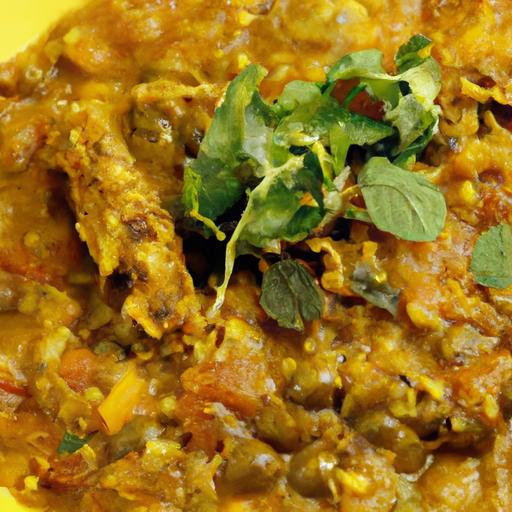


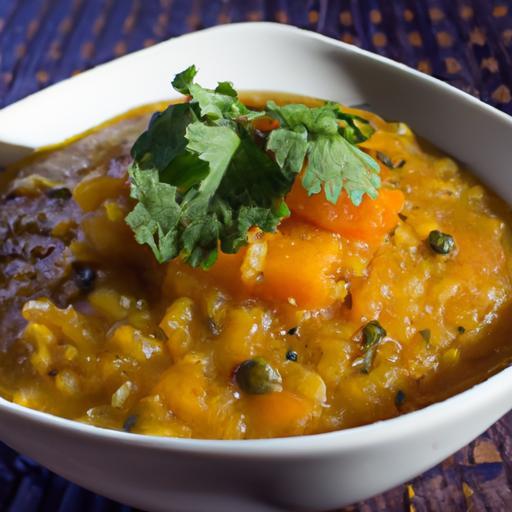
In the heart of Indian cuisine lies a humble yet extraordinary dish that has nourished generations and delighted taste buds across continents: daal.more than just lentils simmered to perfection, Indian daal is a vibrant tapestry of spices, textures, and aromas that tell stories of tradition, culture, and culinary artistry. Whether you’re a seasoned cook or a curious newcomer, unlocking the secrets of the perfect daal can transform a simple meal into a soulful experience. In this ultimate guide, we’ll explore the rich variations, essential techniques, and flavour-boosting tips that will help you master the art of Indian daal-bringing warmth, comfort, and a burst of authentic flavor straight to yoru table.
Unlocking flavor in Indian daal starts with selecting the ideal lentils that bring authenticity and character to your bowl. Each type of lentil carries a distinct texture and taste, deeply rooted in the diverse culinary traditions across India. Whether you choose the earthy toor dal (split pigeon peas), the mild and creamy moong dal, or the robust masoor dal, understanding their nuances is your first step to crafting a memorable dish.
Choosing the Perfect Lentils for Authentic Taste
The secret to a flavorful daal lies in the lentils you select. Toor dal offers a rich, nutty flavor and holds its shape well, making it a staple in South Indian and Gujarati kitchens.Moong dal, conversely, is lighter and cooks quickly, lending itself to a creamy, gentle texture. For those who desire a deeper red hue and slightly robust flavor, masoor dal is an excellent choice. rinse your lentils thoroughly under cold running water to remove any dust or impurities, and consider soaking them for 30 minutes to reduce cooking time and enhance digestibility.
Mastering the Art of Tempering and Spices
A fundamental component to uplifting your daal is the tempering (tadka). This is where whole spices like mustard seeds, cumin seeds, dried red chilies, and fragrant asafoetida meet hot oil or ghee, releasing an intoxicating aroma. Gently sautéing these spices until thay pop and turn golden infuses your readiness with layered flavor and texture.Incorporate finely chopped garlic, fresh ginger, and green chilies into this sizzling symphony to awaken the senses. Remember, the key is to control the heat-medium-low works best to avoid bitter burnt spices.
Secrets to Achieving Creamy and Comforting Texture
For that luscious, velvety daal consistency, slow simmering is your best friend. Once your lentils are cooked tender, avoid rushing the process; instead, gently mash a portion of them using a ladle or whisk, which naturally thickens the broth. Adding a touch of ghee or a splash of whole milk will further elevate richness and mouthfeel.Keep the flame low and let the flavors meld for at least 10-15 minutes, stirring frequently to prevent sticking. This care ensures each spoonful delivers pure comfort-warm, creamy, and deeply satisfying.
Elevating Your Daal with Fresh Herbs and Garnishes
Bright,fresh herbs serve as the perfect finishing touch,balancing the warmth of spices with a burst of color and freshness. Typical garnishes include freshly chopped cilantro, which imparts an herbaceous zing, finely sliced green chilies for a subtle heat lift, and a squeeze of fresh lemon juice that cuts through the richness.For an extra layer of texture, sprinkle toasted cumin seeds or crushed fried garlic on top. These simple accents not only enhance visual appeal but amplify the daal’s complex flavors, inviting you to savor each nuanced bite.
Prep and Cook Time
- Preparation: 15 minutes
- Soaking: 30 minutes (optional but recommended)
- Cooking: 45-50 minutes
Yield
Serves 4 generous portions
Difficulty Level
Medium - perfect for home cooks looking to deepen their culinary repertoire with authentic Indian flavors
Ingredients
- 1 cup toor dal (split pigeon peas), rinsed and soaked for 30 minutes
- 4 cups water
- 2 tablespoons ghee or vegetable oil
- 1 teaspoon mustard seeds
- 1 teaspoon cumin seeds
- 2 dried red chilies
- ¼ teaspoon asafoetida (hing)
- 1 medium onion, finely chopped
- 2 garlic cloves, minced
- 1-inch piece fresh ginger, grated
- 2 fresh green chilies, slit lengthwise
- 1 large ripe tomato, chopped
- 1 teaspoon turmeric powder
- 1 teaspoon red chili powder (adjust to taste)
- Salt, to taste
- Fresh cilantro, chopped for garnish
- Lemon wedges, for serving
Instructions
- Prepare the lentils: Drain the soaked toor dal and place it in a large pot with 4 cups of water and turmeric powder. Bring to a boil, then simmer gently.
- Cook the dal: Skim off any foam that appears. Cover partially and cook for 35-40 minutes until the lentils are soft and breaking apart. Stir occasionally to avoid sticking.
- Make the tempering: In a separate small pan, heat ghee over medium heat. Add mustard seeds and cumin seeds; sauté until they begin to pop, about 1-2 minutes.
- Add aromatics to the tempering: Stir in dried red chilies, asafoetida, onions, garlic, ginger, and green chilies. Sauté for 5-6 minutes until the onions are golden and fragrant, stirring frequently.
- Incorporate tomatoes and spices: Add chopped tomatoes and red chili powder to the pan. Cook for 5 minutes until the tomatoes soften and the oil separates.
- Combine tempering with dal: Pour the tempering mixture into the simmering dal. Stir well and continue cooking on low for 10 minutes to blend flavors.
- Adjust texture: Mash some of the dal gently with the back of a spoon or whisk to achieve a creamy consistency. Add salt to taste.
- Finish and garnish: Turn off heat, drizzle with a little ghee if desired, and sprinkle generously with fresh cilantro. Serve hot with lemon wedges on the side.
Tips for Success
- Soaking lentils reduces cooking time and enhances digestibility-skip only if you’re in a hurry.
- For a smokier flavor, try adding a teaspoon of smoked paprika alongside the red chili powder.
- Want a richer daal? Stir in a few tablespoons of coconut milk or cream near the end of cooking.
- If your lentils are too thick, add warm water gradually to loosen consistency while simmering.
- Make ahead: daal tastes even better the next day; store refrigerated and reheat gently, adding a splash of water.
Serving Suggestions
Present your daal with fragrant basmati rice or warm, soft Indian breads like chapati or naan. Brighten the plate with a side of crisp cucumber raita or fresh salad. Garnish with extra cilantro and lemon wedges to allow each diner to personalize their bowl. This wholesome,comforting dish pairs beautifully with a cooling mint chutney or tangy mango pickle for exciting contrasts.
| Nutrient | Per Serving |
|---|---|
| Calories | 280 kcal |
| Protein | 18 g |
| Carbohydrates | 40 g |
| Fat | 7 g |
Explore more about Indian spices to deepen your daal expertise. for a detailed look at lentils and their nutritional power, consult the Encyclopaedia Britannica lentil overview.

Q&A
Q&A: Unlocking Flavor: The Ultimate guide to Indian Daal Recipe
Q1: What exactly is daal,and why is it so beloved in Indian cuisine?
A: Daal (or dal) refers to dried lentils,peas,or beans that are split and hulled,and its also the name of the comforting,spiced stew made from them. It’s a cornerstone of Indian cooking,celebrated for its rich flavors,nourishing qualities,and hearty simplicity. Daal is a canvas for spices, textures, and aromas that tell stories of tradition and regional flavors across India.Q2: What types of lentils work best for making daal?
A: The most popular lentils for daal include yellow moong dal, red masoor dal, split pigeon peas (toor/arhar dal), and chana dal (split chickpeas). Each has its own texture and flavor – moong dal is light and delicate, masoor dal is earthy and rapid-cooking, while toor dal delivers a slightly nutty depth. Choosing the right lentil depends on your desired texture and cooking time.
Q3: How do you achieve that signature rich and creamy texture in daal?
A: The magic lies in slow simmering and the balance of lentils to water. Cooking lentils until they almost melt into the pot creates a velvety base. Mashing a portion of the cooked lentils adds body. Adding ghee or oil for tempering and allowing the spices to bloom in hot fat brings layers of richness and smoothness.Q4: which spices are essential to unlock authentic Indian daal flavor?
A: The heart and soul of daal are spices like cumin, mustard seeds, turmeric, coriander powder, and asafoetida (hing). Fresh ingredients such as garlic, ginger, green chilies, and curry leaves elevate the dish further. A tempering of these spices in hot oil or ghee releases their aroma, creating an inviting, warm flavor profile.
Q5: What’s the art behind the tempering (tadka) technique?
A: Tempering is when you heat oil or ghee and sizzle spices and aromatics before adding them to the cooked lentils. This technique is transformative – it infuses the dish with an explosion of fragrance and layers of flavor. Typical tadka ingredients include cumin seeds, dried red chilies, garlic, mustard seeds, and sometimes fresh herbs like cilantro.
Q6: Can daal be made ahead of time,and how does that affect its flavor?
A: Absolutely! In fact,daal often tastes better the next day as the spices deepen and the flavors meld. Reheating gently while adding a splash of water or broth keeps it fresh. It’s a perfect make-ahead dish – nourishing, flavorful, and ready to warm any meal.
Q7: What are some classic accompaniments to serve with Indian daal?
A: Daal pairs beautifully with steamed basmati rice or soft, pillowy naan and roti breads. A side of tangy pickles,cooling yogurt or raita,and fresh salads amplify the flavors and textures. This combination provides a balanced, satisfying meal that highlights daal’s humble brilliance.
Q8: How can one customize daal to suit different dietary preferences or spice levels?
A: Daal is incredibly adaptable! For a milder dish, reduce chili or omit it and focus on aromatic spices like cinnamon and cardamom. For extra protein and texture, add vegetables such as spinach, tomatoes, or pumpkin. It’s naturally gluten-free, vegan-friendly, and packed with plant-based nutrition – perfect for mindful eating.
Q9: What common mistakes shoudl cooks avoid when making Indian daal?
A: Overcooking lentils until they’re mushy without enough liquid can led to a gloopy texture, while undercooking leaves them hard. Skipping the tempering step risks missing out on the dish’s vibrant essence.Also, balancing salt and acidity (sometimes with a squeeze of lemon) is key to brightening the flavors.Q10: Why is mastering daal considered a rite of passage in Indian cooking?
A: Because it embodies the delicate balance of spices, textures, and patience. Perfecting daal means understanding how to coax deep flavor from simple ingredients – a culinary meditation that honors tradition and creativity. Mastering daal is unlocking a flavorful chapter of India’s rich culinary heritage.
Key Takeaways
As the aroma of simmering spices fades and the last spoonful of velvety daal graces your palate, you’ll realize that this humble dish is much more than just comfort food-it’s a vibrant tapestry of culture, history, and tradition.Unlocking the secrets of the ultimate Indian daal recipe not only invites you into the world of rich, layered flavors but also connects you to centuries of culinary artistry. Whether you’re a seasoned cook or a curious food lover, mastering this dish opens the door to endless variations and creative adventures in your kitchen. So gather your lentils, spice jars, and a dash of curiosity-your journey into the heart of Indian cuisine has only just begun.