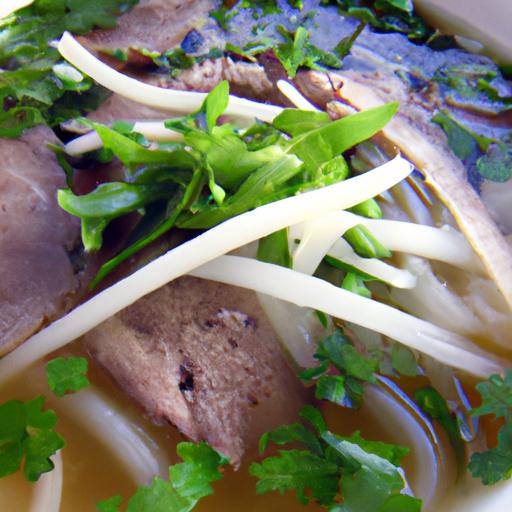


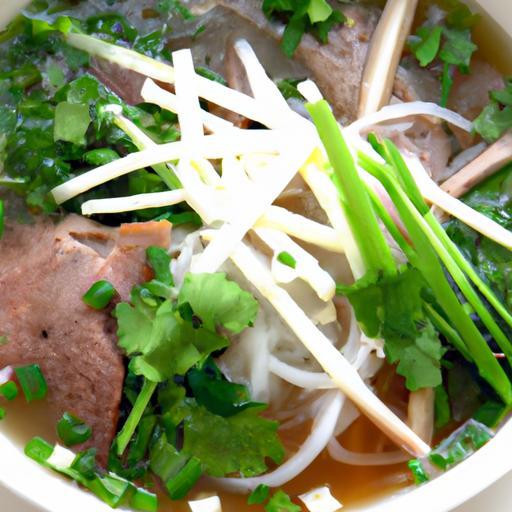
In the heart of Vietnam’s bustling streets, a fragrant steam rises from humble bowls of beef pho, inviting locals and travelers alike into a world where each sip tells a story. But behind this beloved national dish lies a carefully guarded culinary craft-the art of perfecting the broth. Unlocking the secrets of Vietnamese beef pho broth mastery is more than just following a recipe; it’s an exploration of time-honored techniques, meticulously chosen ingredients, and a delicate balance of flavors that transform simple bones and spices into a soul-soothing elixir. Join us as we delve into the rich heritage and intricate process that breathe life into every bowl of pho,revealing how this iconic broth continues to capture hearts and palates around the globe.
Unlocking the secrets of Vietnamese beef pho broth mastery begins with honoring the centuries-old tradition of broth planning while embracing contemporary techniques that elevate its flavors and complexity. This iconic Vietnamese dish thrives on a perfectly crafted broth – a delicate balance of rich beef essence, fragrant aromatics, and warming spices that unite in a simmering harmony. Each step, from selecting the ideal beef cuts to the patient simmer that unlocks umami depth, transforms simple ingredients into a soul-soothing elixir.
Prep and Cook Time
- Preparation: 30 minutes
- Simmering: 6 hours
- Total: 6 hours 30 minutes
yield
- Serves: 6 hearty bowls
Difficulty Level
- Medium: Requires attentive simmering and seasoning finesse
Ingredients
- 5 lbs beef marrow bones, washed and blanched
- 2 lbs beef knuckle or beef shin for deep flavor and collagen
- 1 large yellow onion, halved
- 1 large piece ginger (about 4 inches), halved lengthwise
- 6 star anise pods
- 4 whole cloves
- 2 cinnamon sticks (preferably Saigon cinnamon)
- 1 tablespoon coriander seeds
- 1 tablespoon fennel seeds
- 1 tablespoon rock sugar or substitute with brown sugar
- 1/4 cup fish sauce, quality brands preferred
- Salt to taste
- 10 cups filtered water
instructions
- Prepare the bones and beef: Begin by blanching the beef marrow bones and knuckle in boiling water for 10 minutes to remove impurities. Drain and rinse under cold water to ensure a clear broth.
- Char aromatics: Place the halved onion and ginger directly on an open flame or under a broiler until blackened and fragrant, about 5-7 minutes. This caramelization adds smoky depth.
- Toast spices: In a dry skillet over medium heat, toast star anise, cloves, cinnamon sticks, coriander, and fennel seeds until aromatic-about 2 minutes, stirring constantly to avoid burning.
- Simmer the broth: In a large stockpot, add blanched bones, beef knuckle, charred onion, ginger, toasted spices, and 10 cups of filtered water. Bring to a boil, then promptly reduce to a gentle simmer. Skim the surface thoroughly every 30 minutes to remove scum and maintain clarity.
- Add seasoning: After 4 hours of simmering, stir in rock sugar and fish sauce. Continue simmering uncovered for an additional 2 hours, occasionally ladling off excess fat and skimming impurities. This slow heat unlocks layered umami flavors.
- Strain and refine: Remove the bones and beef knuckle, reserving the meat for serving. Strain the broth through a fine mesh sieve or cheesecloth into a clean pot. Taste and adjust salt or fish sauce as needed.
- Final touches: Keep the broth hot until ready to assemble your pho bowls with fresh rice noodles, thinly sliced raw beef, and your favourite herbs.
Expert Tips for Perfect Pho Broth
- Use beef shin or knuckle for gelatin-rich broth that adds luxurious mouthfeel and depth.
- Consistent skimming during simmering is critical to achieving a crystal-clear broth without bitterness.
- Char the onion and ginger well to contribute subtle smokiness without overpowering the broth’s subtle nuances.
- If you prefer a stronger spice profile, increase toasted spices by 1-2 pods but balance carefully to avoid harshness.
- Make broth a day ahead and refrigerate overnight to let flavors meld and fat to solidify-remove excess fat before reheating.
Serving Suggestions
Serve your richly spiced pho broth piping hot with freshly cooked flat rice noodles and thin slices of rare beef that cook perfectly when immersed in the steaming broth. Garnish with crisp bean sprouts, fragrant thai basil, lime wedges, sliced jalapeños, and fresh cilantro to layer luminous, fresh notes over the savory broth. Add a drizzle of hoisin sauce or Sriracha for a customizable kick. use a wide, deep bowl and a pair of chopsticks to savor every element harmoniously.

| nutrient | Per Serving (1 bowl) |
|---|---|
| calories | 350 kcal |
| Protein | 28 g |
| Carbohydrates | 40 g |
| Fat | 9 g |
For those eager to explore more about customary Vietnamese cooking methods, check out our complete guide to Vietnamese herbs and garnishes.To deepen your understanding of spice roasting techniques, visit this expert spice roasting article.
Q&A
Q&A: Unlocking the Secrets of Vietnamese Beef Pho Broth Mastery
Q1: What makes beef pho broth so iconic in Vietnamese cuisine?
A1: Beef pho broth is the soul of the dish. its deep,aromatic flavor profile comes from hours of simmering beef bones alongside a symphony of spices and aromatics.This meticulous process creates a clear, rich broth that embodies the balance of savory, sweet, and fragrant notes emblematic of Vietnamese cooking.
Q2: which bones are essential for creating an authentic beef pho broth?
A2: The magic starts with beef leg bones, knuckle bones, and marrow bones. These provide the gelatin and umami needed for a luscious, silky broth. Roasting the bones beforehand can add a subtle caramelized depth, though some purists prefer a cleaner broth by blanching them first.
Q3: How do spices contribute to the broth’s distinctive flavor?
A3: A carefully curated blend of star anise, cinnamon sticks, cloves, coriander seeds, and cardamom pods infuses the broth with warm, sweet, and slightly peppery notes. Toasting these spices lightly before adding them to the pot unlocks their essential oils, elevating the broth’s complexity dramatically.
Q4: What role do aromatics like onions and ginger play in the broth?
A4: Charred onions and ginger introduce smoky,caramelized undertones that contrast beautifully with the spices. Their slight bitterness balances the broth’s richness and helps create that signature clear, amber-hued broth that’s as visually appealing as it is flavorful.
Q5: How long should the broth simmer for optimal flavor?
A5: Patience is key! Simmering the broth gently for at least 6 to 8 hours allows the collagen to dissolve and the spices to fully meld. Longer simmering develops a richer taste and velvety mouthfeel, but be careful to adjust the heat to avoid too much evaporation or cloudy broth.
Q6: Can homemade beef broth capture the authentic pho experience without complex equipment?
A6: Absolutely! While traditional pho broth is an art form, even home cooks can create a deliciously close version with basic kitchen tools.Slow-cooking the bones on a stovetop or in a slow cooker, using fresh spices, and layering flavors with charred aromatics go a long way in bringing pho to your table.
Q7: How vital is seasoning during the broth-making process?
A7: Seasoning is a delicate dance. Salt is typically added only toward the end to avoid drawing out too much water from the bones and diluting the flavor. Some cooks prefer to season lightly during the final stages, then adjust seasoning at the table with fish sauce and fresh herbs to suit personal taste.
Q8: What tips help achieve a crystal-clear broth rather than a murky one?
A8: Clarity relies on careful preparation and gentle simmering. Blanch bones first to remove impurities, skim foam regularly during cooking, and avoid boiling too hard. Straining the broth through a fine sieve or cheesecloth before serving ensures that it’s perfectly clear and visually inviting.Q9: What fresh herbs and garnishes best complement authentic beef pho broth?
A9: Fresh herbs like Thai basil, cilantro, and sawtooth coriander brighten the broth with herbal freshness. Lime wedges add zesty acidity, and thinly sliced chili peppers bring subtle heat. Combined with crunchy bean sprouts and thin slices of raw beef, these garnishes complete the sensory experience.
Q10: How can one customize pho broth at home while preserving its traditional essence?
A10: Don’t be afraid to experiment within the framework of tradition. Adjust the mix and quantity of spices, try adding different marrow bones, or incorporate a touch of rock sugar for balanced sweetness.The key is to maintain the broth’s harmony of savory, sweet, fragrant, and slightly smoky flavors that define classic beef pho.
To Wrap It Up
As the final steam rises from your bowl of Vietnamese beef pho,you begin to understand that mastering its broth is more than just a culinary achievement-it’s a journey into the heart of a rich cultural tradition. Unlocking the secrets behind this iconic concoction reveals not only the art of balancing flavors but also the patience and passion infused into every simmering pot. Whether you’re a seasoned chef or an inquisitive home cook, embracing these timeless techniques invites you to experience pho as it was meant to be: a soulful, aromatic masterpiece that warms both body and spirit. So, tie your apron tight and let each stir bring you closer to broth perfection-because in every bowl of pho lies a story waiting to be savored.