

TherS something irresistibly enchanting about the silky smoothness of a perfectly crafted custard or pudding-a texture that glides effortlessly across the palate and a taste that whispers indulgence with every spoonful. In the world of desserts, creamy custards and puddings hold a special place, weaving together tradition, artistry, and comfort in each luscious bite. From the delicate French crème brûlée to the rich and velvety British sticky toffee pudding, these desserts invite us to explore a universe where simplicity meets sophistication.Join us as we dive into the velvety dreams of creamy custards and puddings, uncovering their origins, techniques, and the irresistible charm that makes them timeless favorites in kitchens around the globe.
Velvety Dreams: crafting silky smooth custards is an art that captures the heart of creamy desserts across cultures and generations. From the comforting spoonfuls of classic vanilla pudding to contemporary twists adorned with exotic spices or vibrant fruits, these luscious treats carry an irresistible charm. whether you’re recreating the elegant French crème brûlée or experimenting with intriguing flavor pairings, mastering this technique unlocks endless possibilities for indulgence and creativity.
Custards and puddings owe their magic to the perfect harmony between rich dairy, delicate eggs, and subtle sweetness. achieving that flawless texture-luxuriously smooth yet resilient enough to hold shape-is a journey well worth taking. Over the years, I’ve found that understanding the science behind egg coagulation and temperature control makes all the difference between a grainy mess and a glossy masterpiece.
Prep and Cook Time
- Preparation: 15 minutes
- Cooking: 30 minutes (including gentle simmer & baking time)
- Cooling/Chilling: 2 hours minimum for best texture
Yield
- Serves 6 generous portions
Difficulty Level
- Medium – Requires attention to temperature and stirring
Ingredients
- 2 cups whole milk,preferably organic
- 1 cup heavy cream
- 5 large egg yolks
- 2/3 cup granulated sugar
- 1 tablespoon pure vanilla extract or 1 vanilla bean,split and scraped
- 2 tablespoons cornstarch (for thicker custard consistency)
- Pinch of fine sea salt
Instructions
- Warm the Milk and Cream: In a medium saucepan over medium heat,combine milk and heavy cream. Add the vanilla bean pod if using. Heat gently until small bubbles form around the edges-do not boil. Remove from heat and let steep for 10 minutes to infuse flavor.
- Whisk Egg Yolks and Sugar: In a separate bowl, vigorously whisk together the egg yolks, sugar, cornstarch, and sea salt until the mixture turns pale yellow and slightly thickened.
- Temper the Eggs: Slowly pour a small amount (about ½ cup) of the warm milk mixture into the egg yolk mixture, whisking constantly to prevent curdling. Gradually add the remaining milk, continuing to whisk.
- Thicken the Custard: Return the combined mixture to the saucepan. Cook over low heat, stirring constantly with a wooden spoon or silicone spatula, until it thickens enough to coat the back of the spoon – about 8-10 minutes. Avoid boiling as it will curdle.
- Strain and Cool: Immediatly strain the custard through a fine mesh sieve into a clean bowl to remove any cooked egg bits and the vanilla bean pod. Stir in the vanilla extract now if using rather of a vanilla bean. Cover the surface with plastic wrap to prevent a skin from forming.
- Chill and Set: Refrigerate for at least 2 hours until completely chilled and set. For a classic pudding texture, it should be smooth, rich, and just firm enough to hold shape.
Tips for Success
- use fresh eggs at room temperature to avoid delays in coagulation.
- Watch yoru heat carefully-it’s easier to undercook and have a runny custard than overcook and cause curdling.
- for added richness, substitute half the milk with cream, but balance it to avoid a heavy texture.
- Try infusing the custard base with flavors like cardamom, cinnamon sticks, or citrus zest during the steeping stage for modern variations.
- Make-ahead: Custards improve after chilling as the flavors meld. Store covered in the fridge for up to 3 days.
Serving Suggestions
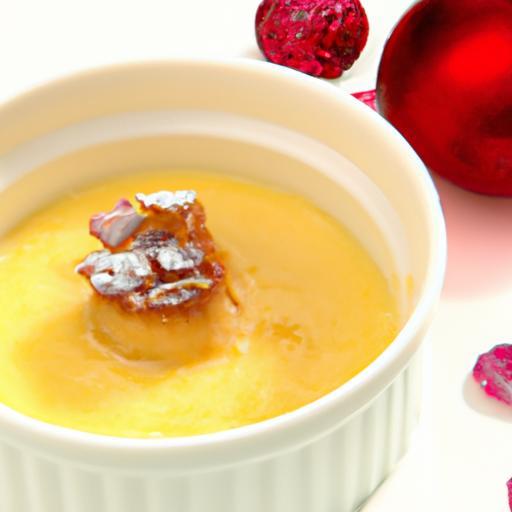
Present this custard chilled in elegant glass ramekins, topped with a sprinkling of toasted almonds, fresh berries, or a delicate mint leaf. For a dramatic finishing touch, a thin layer of caramelized sugar gives a delightful crisp contrast reminiscent of crème brûlée. Alternatively, spoon over warm fruit compote or drizzle with silky homemade caramel sauce to elevate your dessert experiance.
The creamy, luscious texture invites slow savoring, whether enjoyed solo or as the perfect base for a trifle, parfait, or layered dessert. The versatility of this custard invites endless creativity-one bite and you’ll understand the allure behind these velvety dreams.

| Nutrient | Per Serving (approx.) |
|---|---|
| Calories | 260 kcal |
| Protein | 6 g |
| Carbohydrates | 30 g |
| Fat | 12 g |
For further inspiration on creamy desserts, visit our in-depth guide on exploring creamy desserts and discover new ways to create unforgettable treats.
Q&A
Q&A: Velvety Dreams – Exploring the World of Creamy Custards & Puddings
Q1: What makes custards and puddings uniquely velvety compared to other desserts?
A1: The signature silkiness of custards and puddings comes from their delicate balance of eggs,milk or cream,and gentle cooking techniques. Custards rely on the coagulation of egg proteins, which set into a smooth, tender texture when heated just right. Puddings frequently enough thicken with starches,creating a creamy consistency that’s both comforting and indulgent. Together, these ingredients and methods transform simple dairy into luscious, velvety dreams on the palate.Q2: how do custards differ from puddings in terms of ingredients and preparation?
A2: While both share a rich, creamy soul, custards typically depend on eggs as their primary thickening agent and are frequently enough baked or gently cooked on the stovetop. Puddings usually thicken with cornstarch,tapioca,or other starches and are mostly cooked on the stovetop. This difference affects texture: custards tend to be more delicate and silky, while puddings have a slightly more stable, creamy body.
Q3: Can you name some classic custard and pudding varieties that have enchanted dessert lovers through the ages?
A3: Certainly! Classic custards include the elegant crème brûlée,with its caramelized sugar crown; silky flan,draped in luscious caramel; and simple yet sublime baked custard cups. On the pudding side, delightful traditions range from creamy vanilla pudding to rich chocolate pudding, velvety rice pudding speckled with cinnamon, and comforting bread pudding-each offering its own creamy comfort.
Q4: What techniques are essential for achieving a perfectly smooth custard?
A4: Patience and precision are key. Tempering eggs by slowly mixing in warm milk prevents curdling. cooking custards gently-often in a water bath-ensures even, gentle heat distribution, which avoids scrambling. Stirring minimally or not at all after setting allows the custard to form a silky texture. A final strain before cooking also helps eliminate any unwanted lumps.
Q5: How can one incorporate flavors creatively into custards and puddings?
A5: The creamy base is like a blank canvas! Vanilla beans and citrus zest are classic, but don’t shy away from spices like cardamom, star anise, or saffron for exotic notes. Fresh herbs such as mint or lavender can add floral whispers. Swirls of fruit purees, rich cocoa, or nut butters introduce depth and complexity, transforming each spoonful into a personalized escape.
Q6: Are there dairy-free options for those who crave custards and puddings?
A6: Absolutely! Plant-based milks-such as coconut, almond, oat, or cashew-can be used to craft luscious custards and puddings.Using agar-agar or arrowroot as thickening agents helps mimic the richness, while silky nut-based creams enhance the mouthfeel. With the right technique, dairy-free versions can be just as velvety and satisfying.
Q7: What are some common pitfalls to avoid when making custards and puddings?
A7: Overheating is the foe of smoothness-it can cause curdling or graininess. Rushing the cooking process or skipping steps like stirring or straining can lead to lumps. Using low-quality ingredients or not allowing custards to properly chill and set may also diminish texture and flavor. Slow, mindful technique and patience always pay off in these delicate desserts.Q8: How do cultural variations influence custard and pudding recipes worldwide?
A8: Across the globe, custards and puddings wear vibrant, local personalities. In Japan, silky chawanmushi combines savory egg custard with mushrooms and seafood. India’s kheer infuses rice pudding with cardamom and saffron. France boasts rich, egg-heavy pots de crème, while the UK revels in sticky treacle puddings and creamy rice puddings. These regional twists showcase the versatility and universal love of creamy desserts.
Q9: Can custards and puddings be made in advance, and how should they be stored?
A9: Yes, many of these desserts benefit from chilling, which deepens flavors and perfects texture. Store custards and puddings covered in the refrigerator for up to 3 days. Some, like baked custards, are best served slightly chilled, while puddings often shine cold. Just be mindful not to freeze them-texture can suffer upon thawing.
Q10: What are some fun ways to serve and garnish custards and puddings to elevate presentation?
A10: Presentation invites indulgence! Try topping custards with a crackly brûléed sugar crust or a fresh compote of berries. Puddings shine under a cloud of whipped cream, toasted nuts, edible flowers, or a dusting of cocoa or cinnamon. Layering puddings in clear glasses with fruit or cookie crumbles creates irresistible parfaits. A sprinkle of citrus zest or mint leaves adds that final,inviting flourish.
Unlocking the secrets of creamy custards and puddings transforms humble ingredients into heavenly delights that comfort and impress alike.Ready to dive spoon-first into this velvety world?
to sum up
From the silky embrace of classic vanilla custard to the rich depths of chocolate pudding, creamy custards and puddings invite us into a world where texture and flavor melt seamlessly together. These timeless desserts not only satisfy our sweet cravings but also tell stories of tradition, innovation, and comfort. As you explore their velvety variations, remember that each spoonful is an invitation to slow down, savor, and celebrate the simple, luscious joys that creamy custards and puddings bring to our tables. So next time you indulge, let yourself drift into those velvety dreams-where every bite is a appetizing moment waiting to be discovered.