

When the chill of winter settles in and comfort food calls your name, there’s nothing quite like a steaming bowl of soup to warm both body and soul.enter Korean mandu soup-a delicate dance of textures and flavors wrapped in tender dumplings, simmered in a savory broth that soothes and satisfies. But what if you could savor this beloved dish in a vibrant vegetarian form, bursting with fresh ingredients and aromatic spices that honor tradition while embracing plant-based creativity? In this guide, we’ll unfold the art of crafting vegetarian Korean mandu soup, revealing tips and tricks to warm you up from the inside out with every flavorful spoonful. Prepare to embark on a culinary journey where warmth meets flavour in perfect harmony.
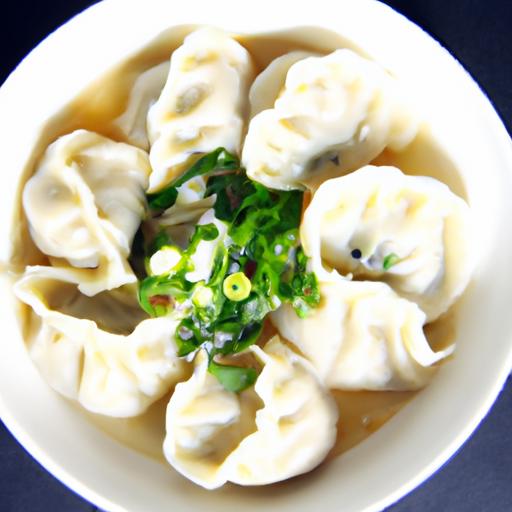
Vegetarian Korean Mandu Soup offers a heartwarming comfort that instantly lifts the spirit on chilly days. This dish transcends typical soups, delivering a delicate blend of tender, flavorful dumplings immersed in a soul-soothing broth that carries the essence of traditional Korean cuisine, reimagined without meat yet bursting with umami. Whether you’re new to Korean cooking or a seasoned lover of Asian flavors, this recipe will guide you through creating a vibrant, nourishing meal that feels like an embrace in every bowl.
Prep and Cook Time
- Preparation: 40 minutes
- Cooking: 25 minutes
- Total time: 1 hour 5 minutes
Yield
Serves 4 hearty portions
Difficulty Level
Medium – Perfect for home cooks ready to explore authentic flavors with approachable steps
Essential Ingredients to Elevate Your Mandu broth
- 24 vegetarian mandu dumplings (fresh or store-bought, filled with tofu, kimchi, or vegetables)
- 6 cups homemade vegetable broth (richly infused with kelp, shiitake mushrooms, and onion)
- 1 tablespoon toasted sesame oil for a fragrant finish
- 3 cloves garlic, minced to deepen savory notes
- 1 small onion, thinly sliced for natural sweetness
- 2 tablespoons soy sauce for balanced saltiness
- 1 teaspoon grated ginger for a subtle zing
- 1 cup napa cabbage, chopped to add texture and mild crunch
- 3 green onions, sliced for garnish and light sharpness
- 1 teaspoon toasted sesame seeds to sprinkle on top for nutty crunch
- Fresh ground black pepper to taste
Step-by-Step Preparation Tips for perfectly Tender Mandu
- Prepare your broth base: In a large pot, heat a splash of sesame oil over medium heat. Add the minced garlic and grated ginger, sautéing until fragrant but not browned, about 1 minute.
- Add onion slices and mushrooms: Stir in sliced onion and dried shiitake mushrooms (if using fresh, clean and slice). Cook until onions soften and mushrooms release their aroma, about 4-5 minutes.
- Simmer your broth: Pour in vegetable broth along with a strip of dried kelp if available, and bring it to a low boil. Lower heat and let it gently simmer for 15 minutes. Remove the kelp before proceeding.
- Cook the mandu: Add the vegetarian mandu dumplings directly to the simmering broth. They should gently rise to the surface when almost cooked, about 5-7 minutes. Avoid overboiling to prevent tearing the delicate wrappers.
- Incorporate napa cabbage: Toss in chopped napa cabbage during the last 3 minutes of cooking. This adds freshness and subtle crunch without overwhelming the dumplings.
- Season the soup: Stir in soy sauce carefully to maintain a clean umami flavor. Taste and adjust seasoning with more soy sauce or freshly ground black pepper as desired.
- Final touch: Drizzle toasted sesame oil over the soup after turning off the heat-it brings out the nutty aroma and enriches the broth beautifully.
Flavor Boosters and Serving Suggestions for a Cozy Meal
- Garnish artfully: Sprinkle sliced green onions and toasted sesame seeds on top for bursts of colour and textured contrast.
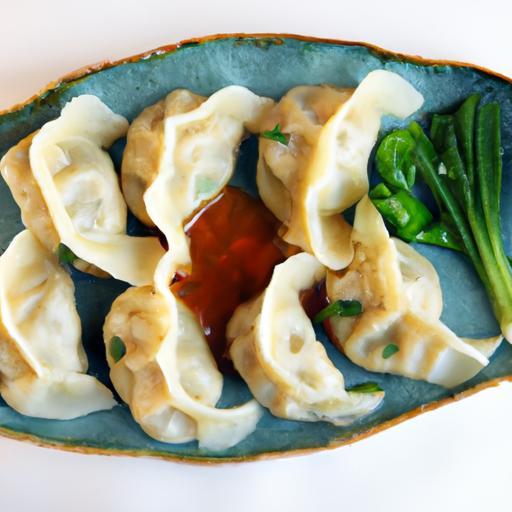
- Accompany with pickled sides: Traditional kimchi or fast-pickled radish add a tangy balance to the comforting soup.
- Add heat optionally: Serve with a small dish of gochujang (Korean chili paste) for a customizable,spicy kick.
- Side ideas: A bowl of steamed short-grain rice or a light cucumber salad enhances the meal’s authenticity and balance.
- Present with warmth: Use deep ceramic bowls to keep the soup hot while showcasing its translucent broth and delicate dumplings for captivating visual appeal.
Chef’s Notes: Tips for Success
- Choosing the right mandu: For the best experience,make your own filling with firm tofu,finely chopped mushrooms,glass noodles,and mild kimchi for complex textures and flavors.
- Broth enhancement: Doubling dried kombu and shiitake mushrooms during simmering intensifies umami without overpowering the delicate nature of the soup.
- Freeze ahead: mandu freezes well-cook from frozen by adding a minute or two to boiling time to enjoy availability on busy days.
- Avoid toughness: Don’t overcook dumplings; gentle simmer is key to retaining their softness and maintaining integral flavors.
- Customize the spice: Add sliced fresh chili or a dash of toasted chili flakes if you prefer a spicy version.
| Nutrient | Per serving |
|---|---|
| Calories | 245 kcal |
| protein | 10 g |
| Carbohydrates | 35 g |
| Fat | 5 g |
Explore another Korean vegetarian staple: Kimchi Stew
For more on the health benefits of fermented foods like kimchi, check out the National Center for Complementary and Integrative Health.

Q&A
Q&A: Warm Up with Flavor - A Guide to Vegetarian Korean Mandu Soup
Q1: What exactly is Mandu, and why is it so special in Korean cuisine?
A: Mandu are delightful Korean dumplings that come stuffed with a variety of fillings, traditionally enjoyed steamed, boiled, fried, or simmered in soups.What makes Mandu soup uniquely comforting is its harmonious blend of tender dumplings in a flavorful, warming broth-a perfect way to cozy up on chilly days while savoring layers of Korean flavor.
Q2: How do vegetarian Mandu differ from traditional versions?
A: Vegetarian Mandu lovingly replace meat fillings with an array of wholesome,plant-based ingredients like tofu,mushrooms,glass noodles,kimchi,and vibrant vegetables. this combination provides a symphony of textures and umami notes, keeping the soul of Mandu intact while offering a fresher, lighter bite that’s equally satisfying.
Q3: What are the essential ingredients to make a delicious vegetarian Mandu filling?
A: A balanced vegetarian Mandu filling typically includes finely chopped mushrooms (like shiitake or oyster) for earthiness, crumbled firm tofu for body, shredded cabbage or napa for crunch, glass noodles (dangmyeon) for chewiness, garlic and green onions for aromatic depth, and a touch of sesame oil and soy sauce for that quintessential Korean flavor boost.
Q4: What type of broth complements vegetarian Mandu best?
A: A clear, umami-rich broth made from dried kelp (dashima), dried shiitake mushrooms, and seasoned with soy sauce and garlic perfectly enhances the delicate flavors of the vegetable-filled Mandu. This broth delivers warmth and depth without overpowering the dumplings, creating a beautifully balanced bowl of comfort.
Q5: Can Mandu Soup be adapted for different dietary preferences or flavors?
A: Absolutely! Mandu Soup is wonderfully versatile. For a gluten-free version, use gluten-free soy sauce and rice paper wrappers for the dumplings. To incorporate more greens, add spinach or bok choy into the broth right before serving. For an extra kick,a dollop of gochujang or a scattering of Korean chili flakes can awaken the senses while keeping the soup vegetarian-amiable.
Q6: what’s the key to perfect Mandu wrapper folding without tearing?
A: The secret is to keep the edges of the wrapper slightly moist when folding, which helps them stick together without ripping. Use a small spoon to gently place the filling near the center, then fold the wrapper in half and pleat the edges carefully. Practice and patience turn dumpling folding into an art form-and a joyful kitchen ritual.
Q7: How should vegetarian Mandu be cooked when making soup?
A: Simmer the Mandu gently in the broth until they float to the surface, indicating they’re cooked through and tender. Boiling them too vigorously can cause wrappers to split, so a gentle bubble is ideal. Onc floating,give them an extra minute or two to ensure the filling is heated thoroughly and the flavors marry perfectly.
Q8: Any finishing touches to elevate the presentation and flavor of Mandu Soup?
A: Garnish your Mandu soup with thinly sliced green onions, toasted sesame seeds, and a sprinkle of crushed nori flakes for a burst of color and texture. A few drops of toasted sesame oil swirled in just before serving add a nutty aroma that instantly transforms the rustic dish into a feast for the senses.Q9: Why is Mandu soup especially comforting during colder months?
A: Mandu Soup offers a nourishing warmth thanks to its steaming broth and hearty dumplings, embodying the feeling of a warm hug from the inside out. The combination of rich umami flavors, tender textures, and wholesome ingredients not only fuels the body but also lifts the spirit, making it a beloved wintertime staple in Korean households.
Q10: Can Mandu Soup be prepared ahead of time for busy days?
A: Yes! You can prepare the vegetarian Mandu filling in advance and freeze the assembled dumplings individually on a baking sheet before transferring them to a sealed container. When ready to eat, simply cook the frozen Mandu directly in simmering broth-no thawing needed. The broth can also be made ahead and reheated, making weeknight dinners both easy and delightful.
This Q&A guide invites you to explore the vibrant world of vegetarian Korean Mandu Soup-a dish that blends tradition with wholesome flavors, perfect for warming both body and soul.
The way Forward
as the steam rises from your bowl of vegetarian Korean mandu soup,so does the comforting promise of warmth and flavor wrapped in every tender dumpling. This hearty dish invites you to explore the rich tapestry of Korean cuisine without leaving the coziness of your kitchen. Whether you’re a seasoned vegetarian or simply curious about new tastes, mandu soup offers a delicious gateway to nourishing simplicity and vibrant tradition. So next time the chill sets in, remember: a bowl of mandu soup isn’t just a meal-it’s an invitation to savor warmth, culture, and the joy of flavorful finding.