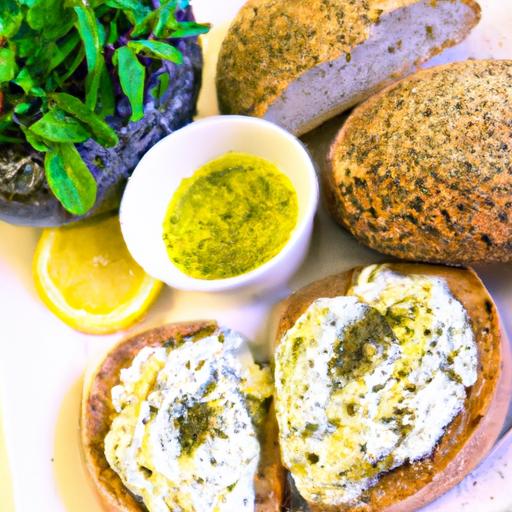


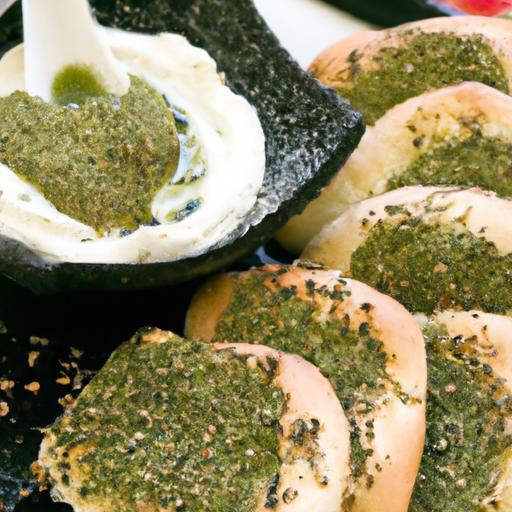
In the world of culinary delights, some combinations simply transcend the ordinary, weaving together flavors that evoke warmth, tradition, and comfort. Za’atar bread and labneh form one such timeless duo-a pairing rooted in Middle Eastern heritage that has captured the hearts and palates of food lovers worldwide.The earthy, herb-infused zest of za’atar bread, kissed by the golden hues of olive oil, finds its perfect counterpart in the creamy, tangy richness of labneh. Together, they create a harmonious dance of textures and tastes, inviting each bite to tell a story of culture, connection, and simple yet profound pleasure.Join us as we explore the enticing world of this flavorful duo, uncovering the secrets behind their enduring appeal and the joyful experience they bring to the table.
Za’atar bread and labneh form an iconic Middle Eastern duo celebrated for their harmonious blend of earthy, herbal za’atar and the luscious creaminess of fresh labneh. This pairing is much more than the sum of its parts: itS an invitation to experience centuries-old culinary tradition while indulging in bold, vibrant flavors that awaken the senses. As you craft authentic za’atar bread from scratch and dollop it generously with tangy labneh, you partake in a comforting ritual that has brought families together around breakfast tables and festive gatherings alike.
Prep and Cook Time
- prep Time: 20 minutes
- Proofing Time: 1 hour 30 minutes
- Cook Time: 15 minutes
- Total Time: Approximately 2 hours
Yield
Makes 4 to 6 servings of za’atar bread
Difficulty Level
Medium: Perfect for intermediate bakers looking to deepen their bread-making skills and explore za’atar flavors
Ingredients
- For Za’atar Bread:
- 3 cups all-purpose flour, sifted
- 1 tbsp active dry yeast
- 1 tsp sugar
- 1 tsp salt
- 1 cup warm water (105-110°F)
- 3 tbsp extra-virgin olive oil, plus more for brushing
- 2 tbsp za’atar spice blend (thyme, sumac, sesame seeds, and salt)
- For Fresh Labneh:
- 2 cups full-fat plain yogurt (preferably strained or Greek yogurt)
- ¼ tsp salt
- 1 tbsp fresh lemon juice (optional for extra tang)
- Extra olive oil and za’atar for garnish
Instructions
- Activate the yeast: In a small bowl, combine the warm water, sugar, and yeast. Stir gently and let sit for 5-10 minutes until foamy and bubbly, indicating active yeast.
- Prepare the dough: In a large mixing bowl, whisk together the sifted flour and salt. Make a well in the center and pour in the activated yeast mixture and 3 tablespoons of olive oil.
- Knead the dough: Using yoru hands or a stand mixer fitted with a dough hook, knead the mixture for 8-10 minutes until it forms a smooth, elastic dough. Add a small sprinkle of flour if it’s too sticky, but keep the dough slightly tacky for a soft crumb.
- First proof: Lightly oil a clean bowl,place the dough inside,and cover with a damp cloth or plastic wrap. Let it rise in a warm spot for 1 hour, or until doubled in size.
- Shape and season the bread: Punch down the dough and transfer it onto a lightly floured surface.Roll or stretch it into an oval or round shape about ½-inch thick. Transfer to a parchment-lined baking sheet.
- Add the za’atar topping: Mix the za’atar spice blend with 2 tablespoons of olive oil until it forms a fragrant paste. Brush the za’atar oil generously over the dough surface, gently pressing it in. Use your fingertips to create small dimples across the dough for that signature texture.
- Second proof: Cover the dough loosely and allow it to rise for another 20-30 minutes; this will create a tender crumb and light texture.
- Bake: Preheat your oven to 450°F (230°C). Bake the za’atar bread for 12-15 minutes or until golden brown on top and crisp around the edges. Remove and let cool slightly on a wire rack.
- prepare the labneh: Meanwhile, line a fine mesh sieve or a cheesecloth-lined colander over a bowl. Spoon the yogurt into the cloth, sprinkle salt, and fold the edges over. Refrigerate for 4-12 hours depending on your preferred thickness. Mix in lemon juice if using.
- Serve: Spread a generous layer of fresh labneh on a serving platter and arrange warm za’atar bread slices alongside. Drizzle labneh with olive oil and a sprinkle of za’atar or finely chopped fresh herbs like mint or parsley for a vibrant finish.
Tips for Success
- For an even more authentic flavour, try making your own za’atar blend by toasting sesame seeds and dried thyme before combining with sumac and salt.
- If you prefer a fluffier bread, use bread flour rather of all-purpose flour for higher gluten content.
- Use lukewarm water to activate yeast; too hot and the yeast dies,too cold and it won’t activate.
- Labneh can be made ahead and stored in the refrigerator for up to 3 days.For a quicker choice, use good-quality Greek yogurt but keep in mind the flavor is milder.
- Brush za’atar oil thicker on the surface before baking to amplify the herbaceous aroma and crispy texture.
- For extra flair, sprinkle toasted pine nuts or slivered almonds over labneh when serving.
Serving Suggestions
This za’atar bread and labneh pairing shines brightest when plated with simplicity and thoughtful garnishes. Serve the warm, fragrant bread torn or sliced with a bowl of chilled labneh for dipping. Garnish the labneh with a drizzle of fruity extra virgin olive oil,a dusting of za’atar,and a scattering of fresh thyme or oregano leaves. Add ripe cherry tomatoes,cucumber ribbons,or olives on the side for a vibrant mezze-style spread that invites sharing.
For a colorful presentation, lay down a bed of arugula or mixed greens beneath the bread and labneh serving dish, accentuating the fresh and earthy flavors. Pair this delight with your favorite warm herbal tea or a bright citrus-infused sparkling water to enhance the meal’s freshness.
| Nutrition Info (per serving) | Calories | Protein | Carbs | Fat |
|---|---|---|---|---|
| Za’atar Bread | 210 kcal | 6 g | 38 g | 5 g |
| Fresh Labneh (2 tbsp) | 45 kcal | 3 g | 2 g | 3.5 g |
Explore more Mediterranean breakfast recipes to complement your za’atar bread and labneh spread. For further inspiration and history on za’atar’s cultural importance, visit the Encyclopedia Britannica on Za’atar.

Q&A
Q&A: Za’atar Bread and Labneh – A Perfect Flavorful duo
Q1: What makes za’atar bread such a beloved staple in Middle Eastern cuisine?
A1: Za’atar bread captivates with its aromatic blend of wild thyme, sumac, sesame seeds, and salt, baked into warm, pillowy dough.This combination creates a harmonious balance of earthiness, tanginess, and nuttiness that awakens the senses. It’s not just food; it’s an experience that connects generations and cultures through its vibrant flavors.
Q2: how does labneh complement the flavors of za’atar bread?
A2: Labneh, a creamy and tangy strained yogurt, offers a cool, luscious contrast to the herby, slightly tangy notes of za’atar bread. Its smooth texture and mild tartness cut through the boldness of za’atar,providing a refreshing balance that elevates each bite to new heights of delight.
Q3: Can za’atar bread be made at home,and what’s a simple way to enjoy it with labneh?
A3: absolutely! Za’atar bread can be made from scratch with simple ingredients-flour,yeast,olive oil,and the za’atar spice blend. After baking, spread a generous layer of fresh labneh on warm slices, drizzle with olive oil, and finish with a sprinkle of za’atar or chopped fresh herbs like mint or parsley for brightness.This easy pairing brings a restaurant-worthy snack to your kitchen table.Q4: Are there health benefits associated with eating za’atar bread and labneh together?
A4: Yes! Za’atar is packed with antioxidants and herbal compounds linked to boosted immunity and digestion. Labneh offers probiotics that promote gut health, along with being rich in protein and calcium. together, they form a nourishing combination that satisfies both body and palate.
Q5: What occasions are perfect for serving za’atar bread and labneh?
A5: This duo shines at casual brunches, picnic gatherings, or as part of a mezze spread for social meals. Its vibrant flavors invite sharing and conversation, making it ideal for enjoying the simple pleasures of good company and good food.Q6: How can one customize this pairing for different tastes?
A6: Experimenting is the key! Add a drizzle of zesty lemon juice or a sprinkle of chili flakes to the labneh for a zing. Toss olives or roasted vegetables alongside for added texture and flavor layers. Or try infusing labneh with garlic or fresh herbs to match your mood-each twist keeps the classic duo exciting and fresh.
Q7: What cultural significance does za’atar bread hold?
A7: Za’atar is more than a spice blend; it’s a symbol of hospitality and heritage in many Middle Eastern communities. Serving za’atar bread with labneh echoes traditions of sharing,warmth,and connection-values that food beautifully carries across borders and generations.
Unlock the magic of za’atar bread and labneh-the perfect duo that whispers stories of sun-soaked lands and invites every bite to be savored mindfully.
Final Thoughts
In the harmonious marriage of za’atar bread and creamy labneh, centuries of tradition meet modern palettes, inviting every bite to tell a story of vibrant flavors and cultural richness. whether enjoyed as a simple snack or a centerpiece of a shared meal, this flavorful duo not only satisfies the senses but also connects us to the heart of Middle Eastern culinary heritage.So next time you crave something both comforting and exciting, remember that with za’atar bread and labneh, you’re not just eating-you’re experiencing a timeless festivity of taste.